
Welcome to our new series “Life of a Sheep in Iceland” Part 1. In this series, we follow the life of a sheep in Iceland. Life is a circle, just like the yearly cycle of sheep farming, which makes it not clear where to begin. We decided to start around the 1st of December, where sheep farmers begin putting rams with their ewes.
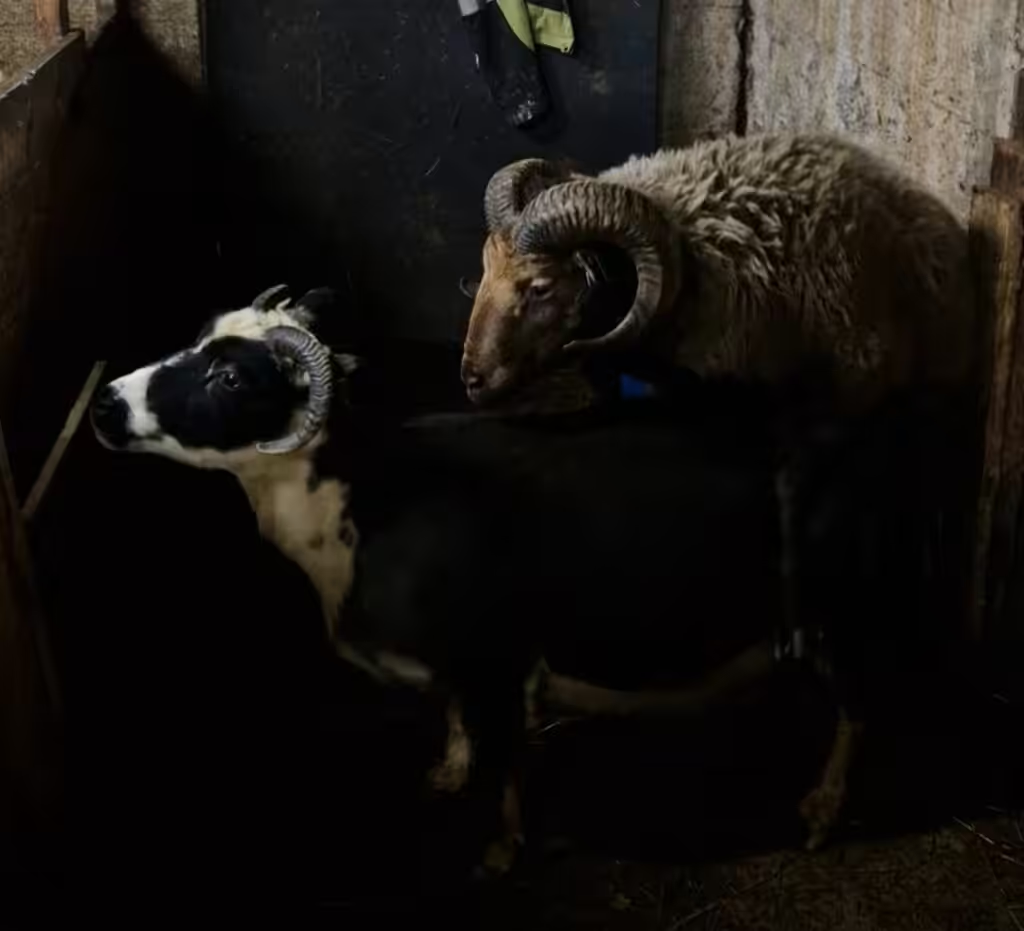
What ram fits on which ewe?
To find out which ewes are ready, farmers train some rams to walk with them on a leash through the sheep barn. The rams can smell when an ewe is ready, and there are also other signs, such as the ewes following the rams or wagging their tails. Icelandic ewes are ready for a ram between 24-60h, and if they do not become pregnant, they will be ready again about 16 to 17 days later.
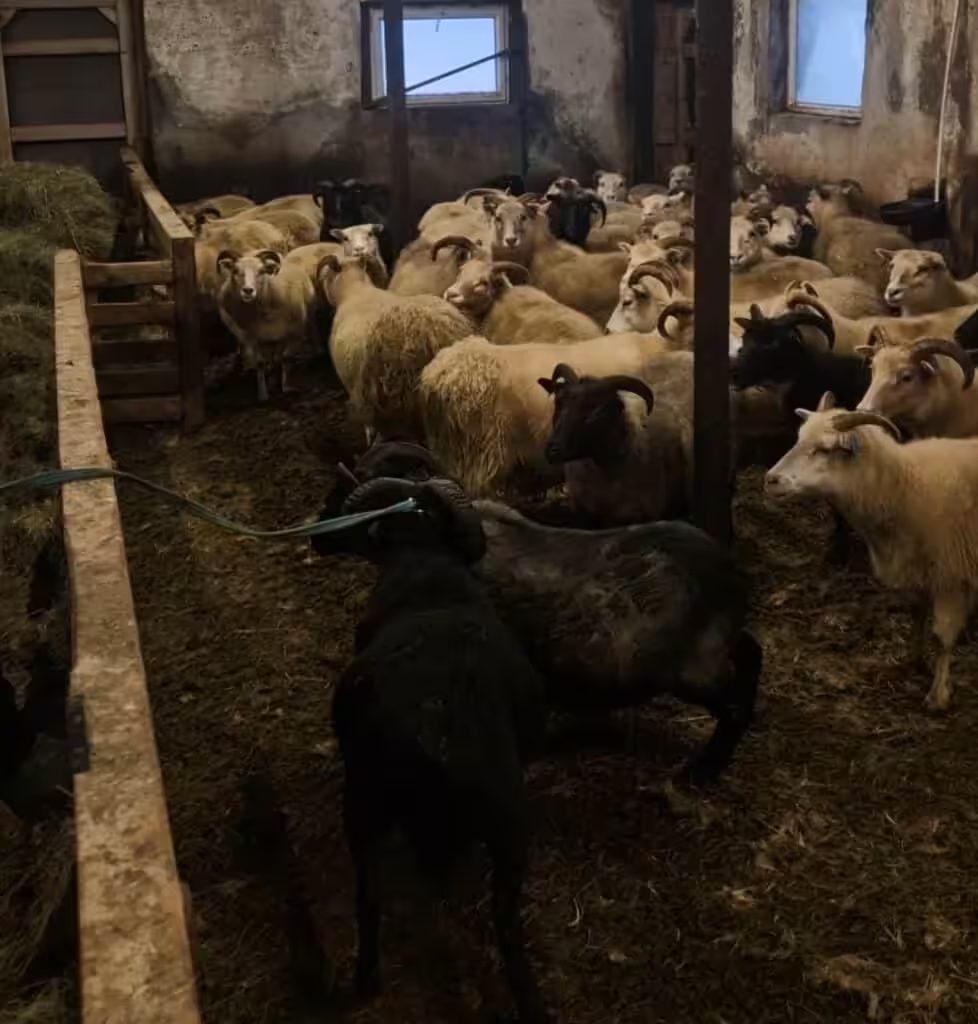
The semen bank of Iceland
Farmers carefully decide which ram should pair with which ewe. This decision depends on many factors, for example the quality of the muscles, the quality of the wool, the desired colour of the lamb, whether the ram and ewe have two, four, or no horns, and how closely related they are. Breeding decisions also depend on genetics. In Iceland, breeders are increasingly working with the ARR genotype, which makes sheep strongly resistant to the fatal neurological disease Scrapie. To support breeding, there is the Ráðgjafamiðstöð Íslands, a facility in Iceland where semen from selected breeding rams is collected and stored.

This semen is used for artificial insemination to spread good genetic traits, such as health, meat quality, or disease resistance, through sheep flocks across the country. If you would like to follow how the life of sheep in Iceland continues throughout the yearly cycle, make sure to follow us on Facebook and Instagram.