
Welcome to Part 4 of our series, “Life of a Sheep in Iceland,” presented by Icelandic Lamb and Íslenskt Lambakjöt. In this series, we follow the life of a sheep in Iceland. Life is a circle, just like the yearly cycle of sheep farming.
In our last blogpost, we showed you the final preparations before lambing season. By late April, lambing season begins some farms across Iceland. For many farmers, it is the busiest — and at the same time the most rewarding — time of the year.
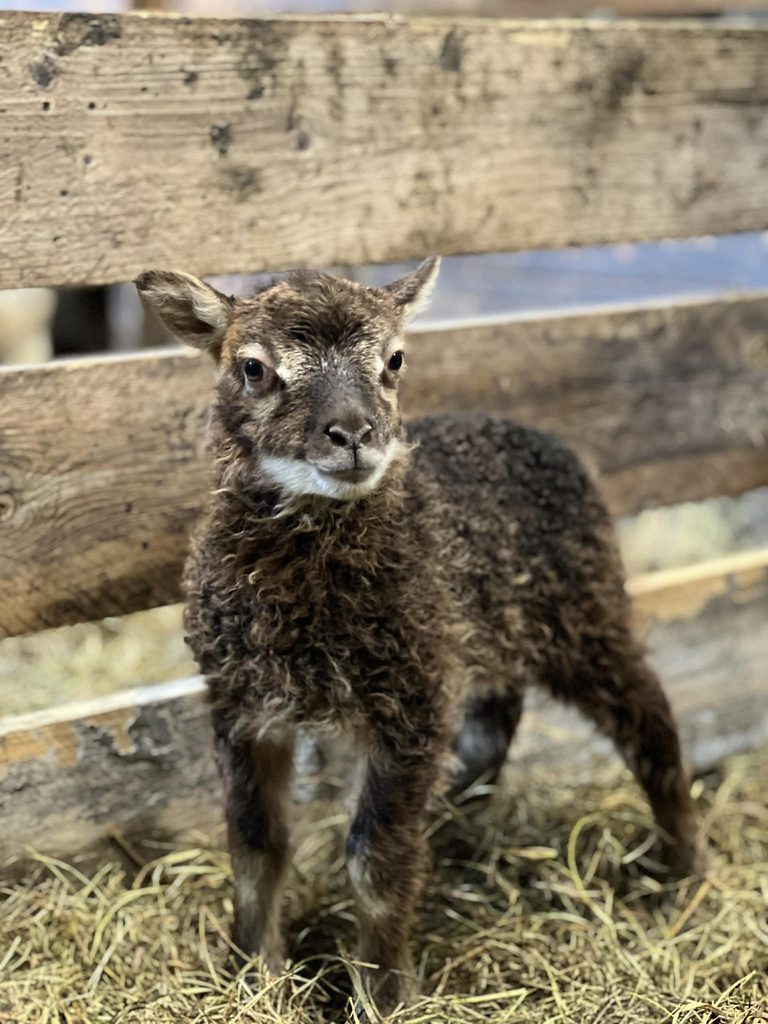
The days and nights of lambing season
During lambing season, farmers spend their days and nights in the sheep barn, often working in shifts around the clock to make sure they can assist whenever a ewe needs help giving birth.
Ideally, a lamb is born with both front legs and its nose coming first. If the lamb is not positioned correctly or if there are other problems, farmers may need to assist with the delivery. In particularly difficult cases, a veterinarian may even perform a cesarean section to save the ewe and her lambs.
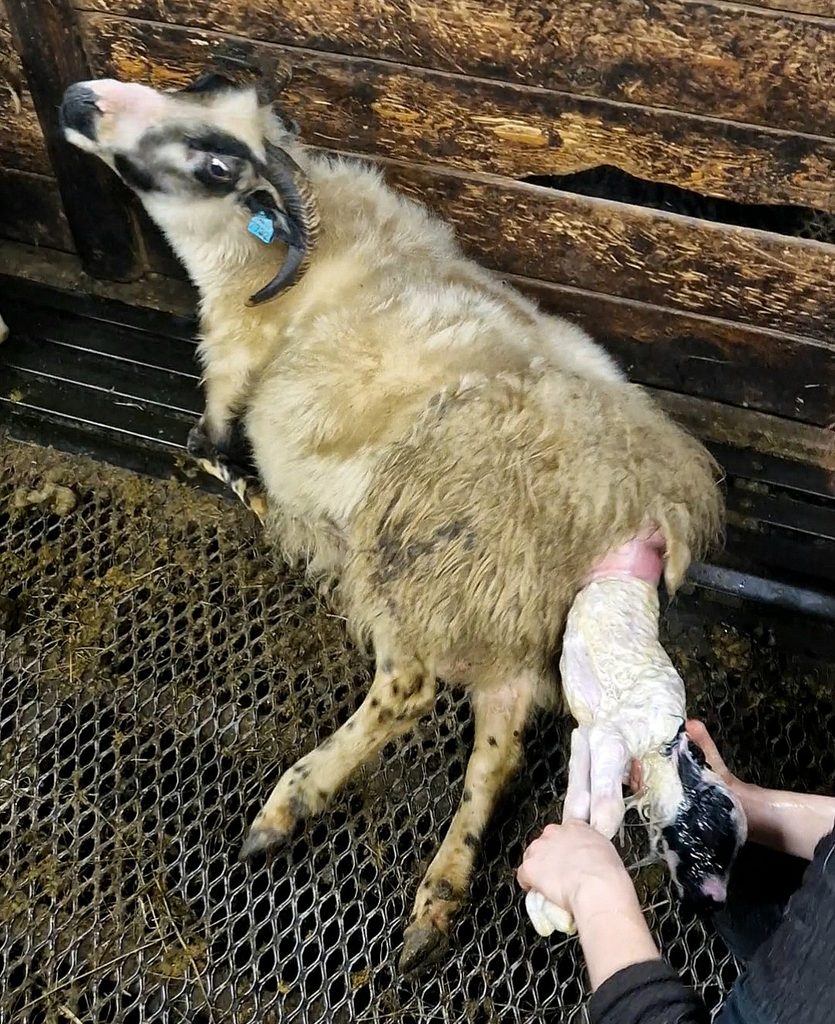
Need a helping hand?
Once the lamb is born, it is extremely important to clear any birthslime from its nose and mouth so it can breathe properly and prevent fluid from entering its lungs. The ewe then begins licking her lamb clean, helping to dry it off and strengthen the bond between mother and her offspring.
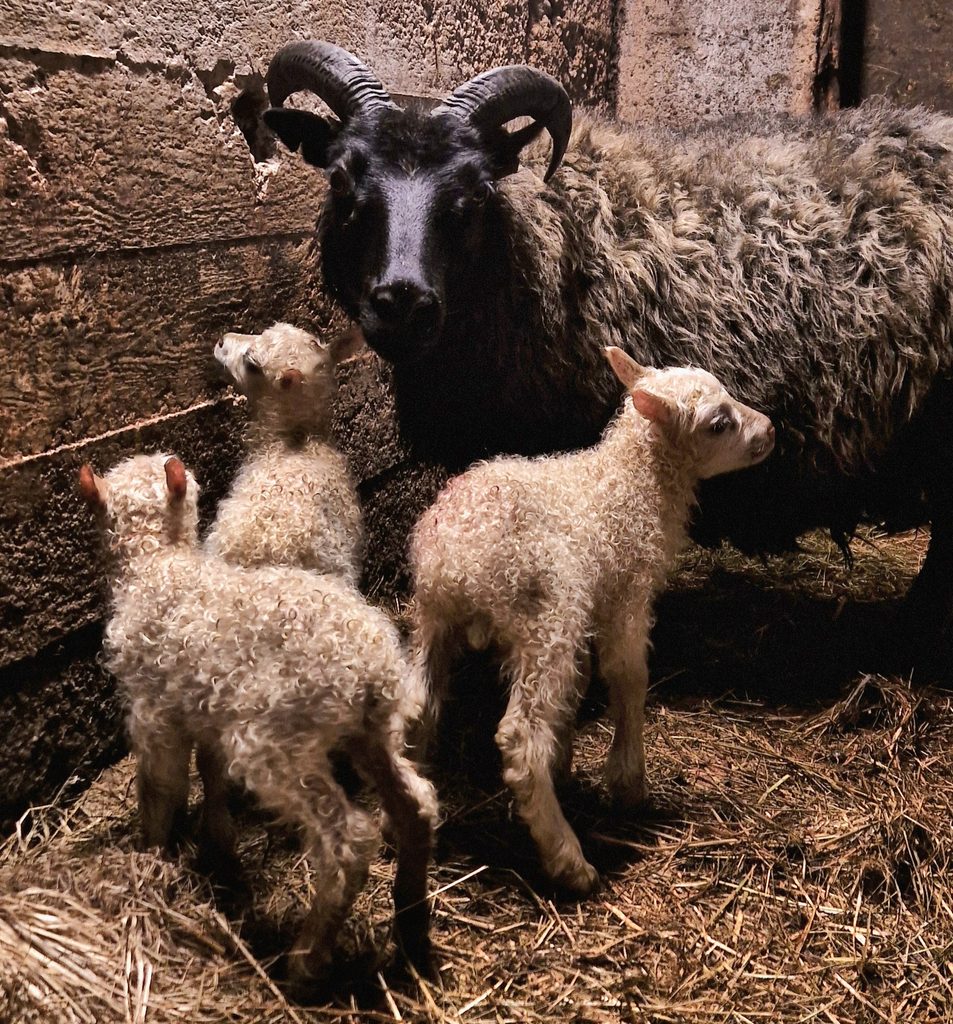
On average, Icelandic sheep give birth to two lambs each, triplets and single-lambs are also really common, and occasionally even quadruplets can occur.
If you’d like to see what happens next during lambing season, make sure to follow us for Part 5 and check out our Instagram and Facebook.