
Welcome to Part 3 of our series, “Life of a Sheep in Iceland,” presented by Icelandic Lamb and Íslenskt Lambakjöt. In this series, we follow the life of a sheep in Iceland. Life is a circle, just like the yearly cycle of sheep farming. In our last Blogpost, we showed you how sheep are ultrasounded in February to determine how many lambs they are expecting. But before lambing season begins in April, there is still plenty of work to do in sheep barns across Iceland.
Hoove trimming
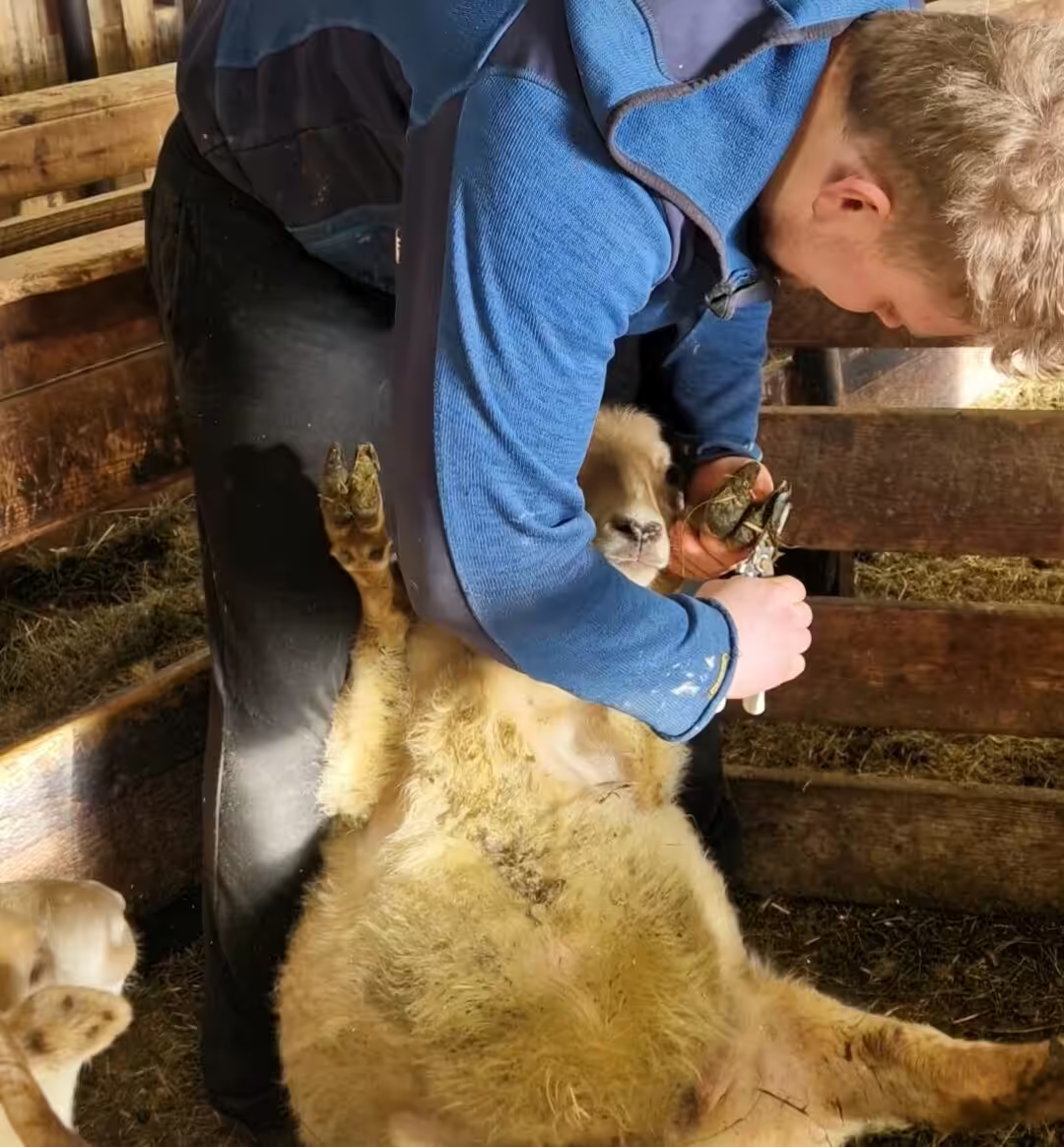
One important task is trimming the sheep’s hooves. Farmers usually trim them at least once a year, typically in spring before or during lambing season, so they are ready to spend the summer roaming freely in Iceland’s mountains and countryside. Like this, farmers can also find, treat and prevent hooveinjuries.
Vaccination and Deworming
Farmers also vaccinate the sheep to protect them and their unborn lambs from various diseases. The specific vaccinations given often depend on the region and local rules.
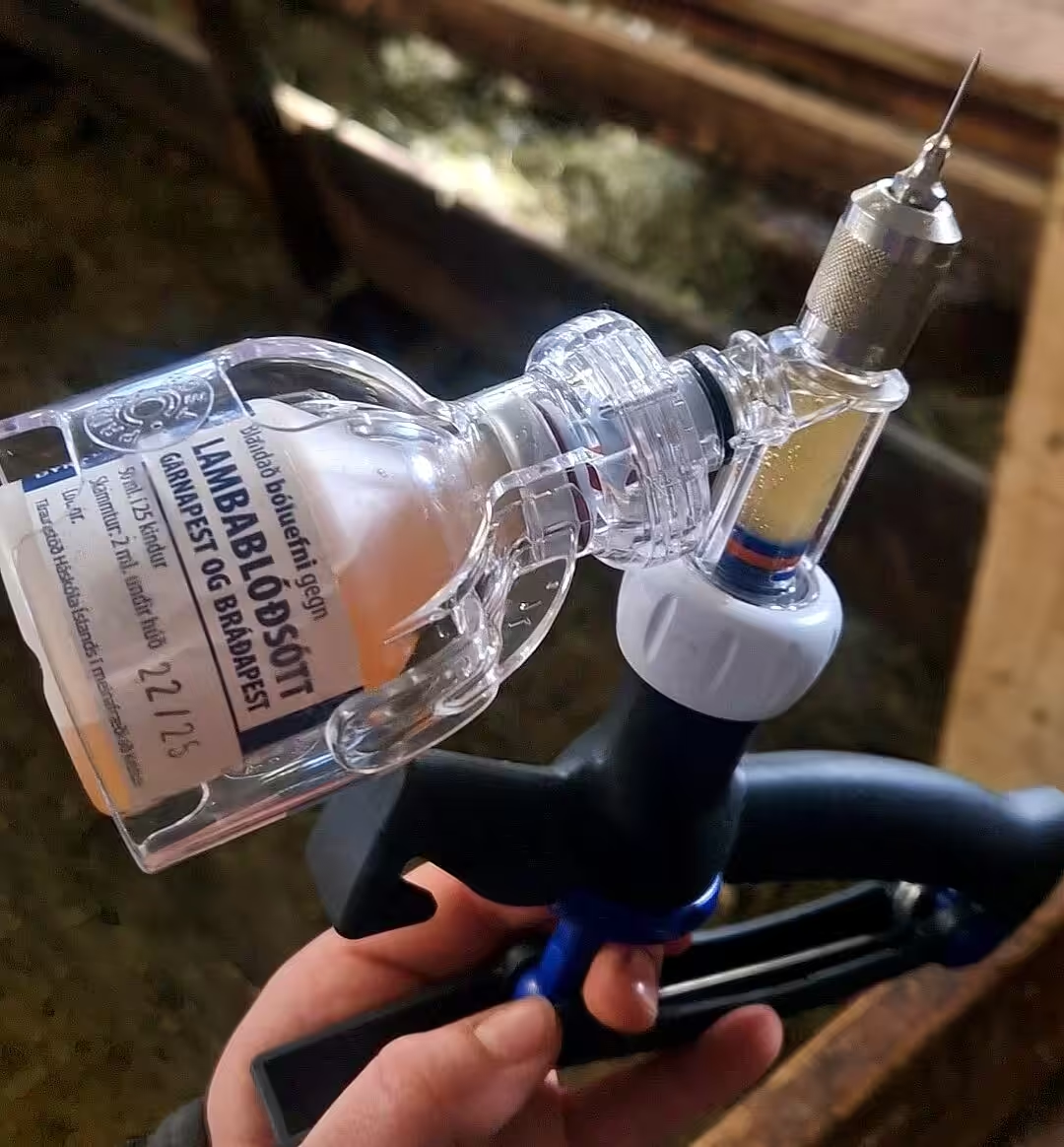
In addition, every sheep receives a deworming treatment. Deworming is typically carried out twice a year: once in the autumn and once in the spring.
Last preparations before Lambing Season
On many farms, pregnant ewes are also given mineral and vitamin supplements to support them throughout pregnancy and help ensure healthy lambs. Also many farmers sheer their sheep some time before lambing season starts again.
Before the lambing season can finally begin; the sheep barn must be prepared. Farmers set up individual lambing pens for the ewes, while non-pregnant sheep and the rams are often moved outside to the fields.
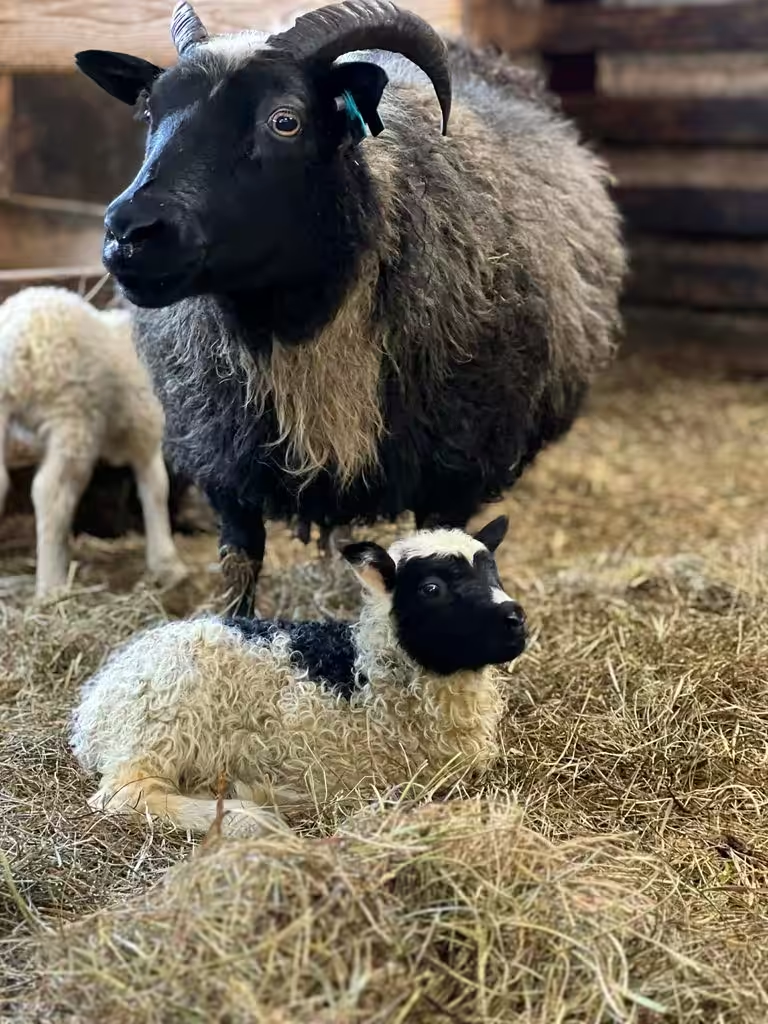
The stage is now set for one of the busiest and most exciting times of the year on Icelandic sheep farms. If you want to know more about lambing season and sheep farming in Iceland, stay tuned for the next part and don’t forget to check out our Facebook and Instagram.